Soul Valencia no es una
guía turística tradicional
Sabemos que como a nosotros, te gusta viajar, conocer nuevos lugares, explorarlos en profundidad, descubrir todo aquello que merece la pena y que no te puedes perder, y por ello cada una de las propuestas incluidas en Soul of Valencia ha sido seleccionada con mimo.
Soul of Valencia es la guía con la cual un viajero sueña, un manual de instrucciones para disfrutar del destino sin sentirse turista, obteniendo la información precisa y adaptada que permita aprovechar al máximo el tiempo de tu viaje, solo o acompañado, en familia,
romántico, de compras, gastronómico…
Esta guía es fruto de la experiencia que cada uno de los componentes de nuestro equipo ha ido obteniendo en la realización de cientos de viajes por todo el mundo, somos buscadores y descubridores de lo cool, de lo diferente y atractivo, de aquello que hace que
nuestro regreso a casa nos permita seguir disfrutando del viaje realizado pues tenemos muchas cosas que contar. Con una perspectiva diferente, que sigue otros patrones y que estamos seguros te sorprenderá y recomendarás, estamos seguros de que la conservarás a tu vuelta como un gran recuerdo de tu visita a Valencia.
Creamos

Your trusted source for breaking news and expert analysis

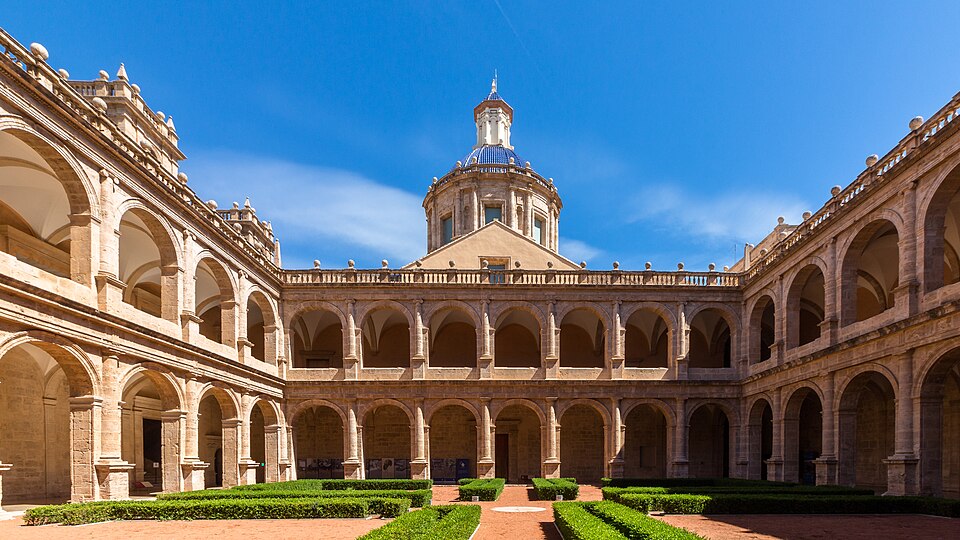
The Monastery of San Miguel de los Reyes
The Monastery of San Miguel de los Reyes is one of Valencia’s most impressive historic monuments. Located in the north of the city, this former monastery combines Renaissance and Baroque architectural elements and has a long and fascinating history. Today, it houses the Valencian Library and offers visitors the opportunity to discover an important part of Valencia’s cultural and historical heritage.

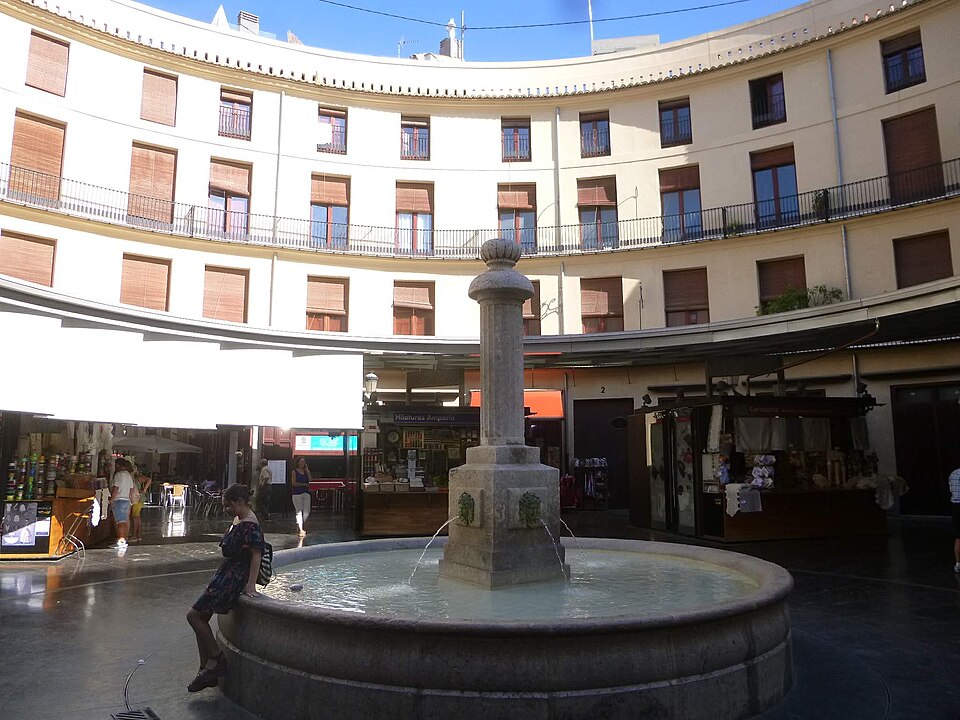
Plaza Redonda
Plaza Redonda is one of the most charming and unusual squares in the historic centre of Valencia. Surrounded by colourful traditional buildings, small shops, cafés and craft stalls, this circular plaza offers visitors a unique atmosphere in the heart of the city. It is a great place to stop, explore local products and enjoy the traditional character of Valencia.

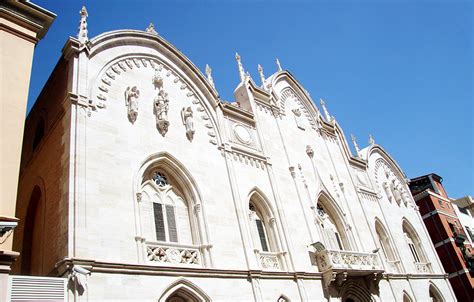
The Asilo del Marqués de Campo
The Asilo del Marqués de Campo is a historic building in Valencia that reflects the city’s architectural and social heritage. Built in the late 19th century, it was originally created as a charitable institution for children and later became an important example of Valencia’s historic architecture. Its elegant design and historical significance make it an interesting place to discover while exploring the city’s old town.
El Almudín
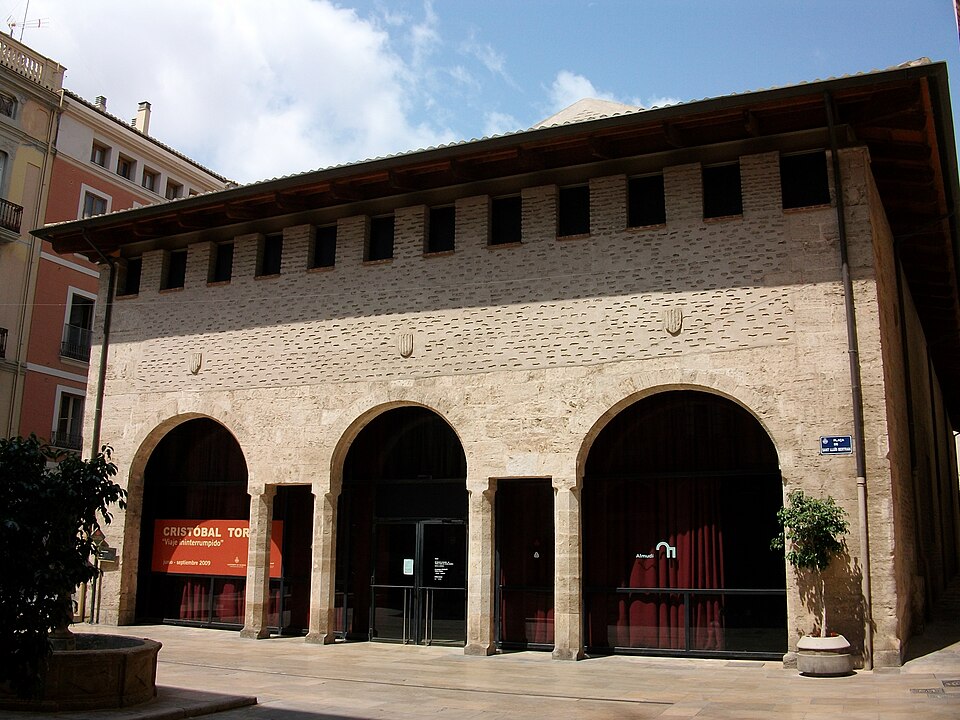
El Almudín is one of Valencia’s oldest historic buildings and an important example of the city’s medieval heritage. Originally built as a grain storage and trading centre, it later became a cultural and exhibition space. Its impressive interior, historic arches and colourful wall paintings make it an interesting place to visit in Valencia’s old town.

La Rambleta
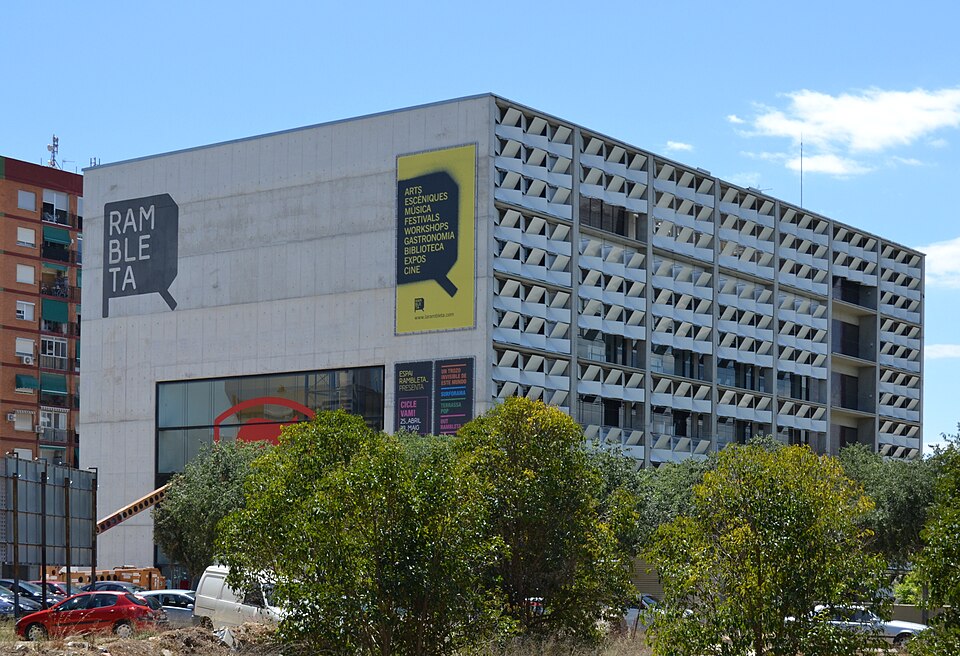
La Rambleta is a modern cultural centre and one of Valencia’s main spaces for contemporary arts and entertainment. Located in the Sant Marcel·lí neighbourhood, it offers a varied programme including theatre, music, dance, comedy, cinema, exhibitions and family activities. Its modern facilities and diverse cultural programme make it an interesting place to discover Valencia’s contemporary creative scene.

Teatre El Musical
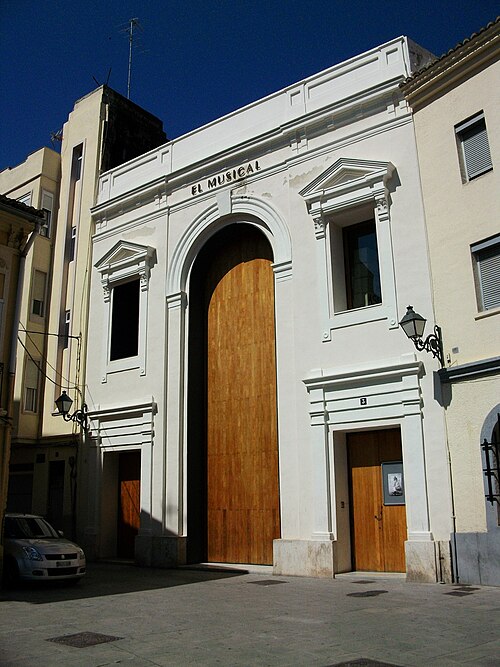
Teatre El Musical (TEM) is a cultural and performing arts centre located in the Cabanyal-Canyamelar neighbourhood of Valencia. It offers a varied programme of theatre, music, dance, comedy, circus, exhibitions and family shows. Its contemporary cultural programme and historic setting make it an interesting place to experience Valencia’s artistic and neighbourhood life.
Teatro Talia
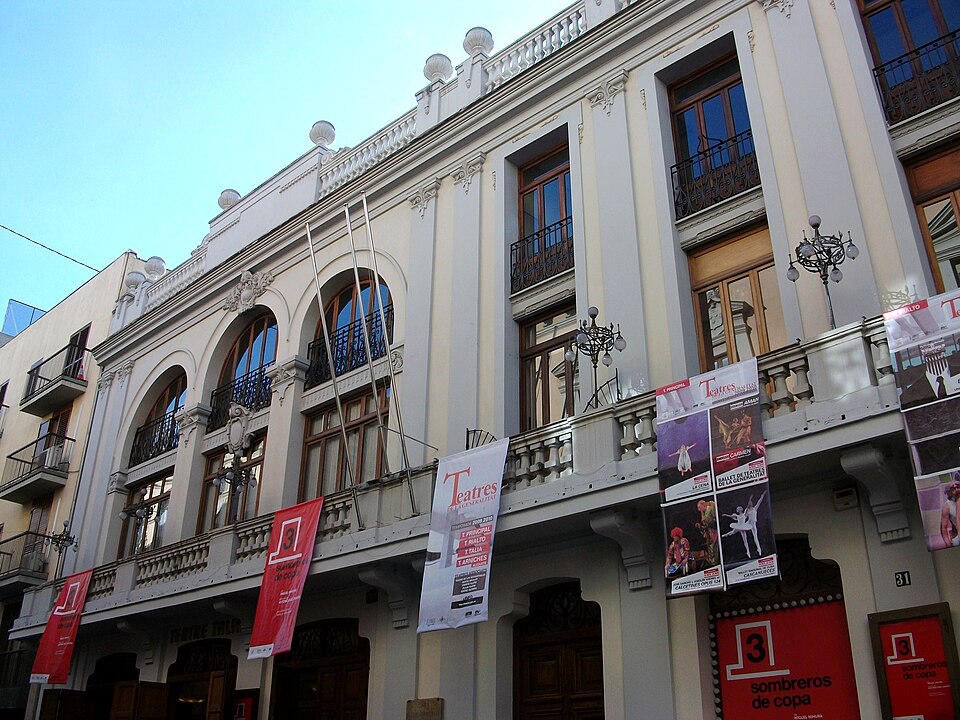
Teatro Talia is a historic theatre located in the heart of Valencia’s old town. Opened in 1928, it has a long tradition of hosting cultural and performing arts events. Today, its programme includes theatre, comedy, music, flamenco, magic and family shows, making it a great place to enjoy live entertainment in a traditional and intimate atmosphere.

La Marina de València
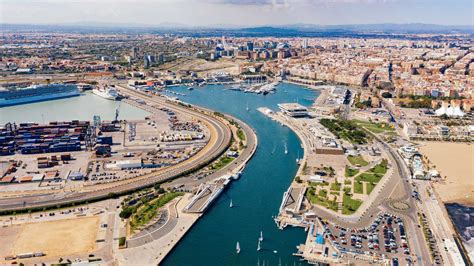
La Marina de València is one of the most popular areas of the city, located next to the Mediterranean Sea. It is a lively waterfront space where visitors can enjoy restaurants, cafés, sports, cultural activities and beautiful views of the harbour. It is an ideal place to walk, relax and enjoy Valencia’s seaside atmosphere.

Roig Arena
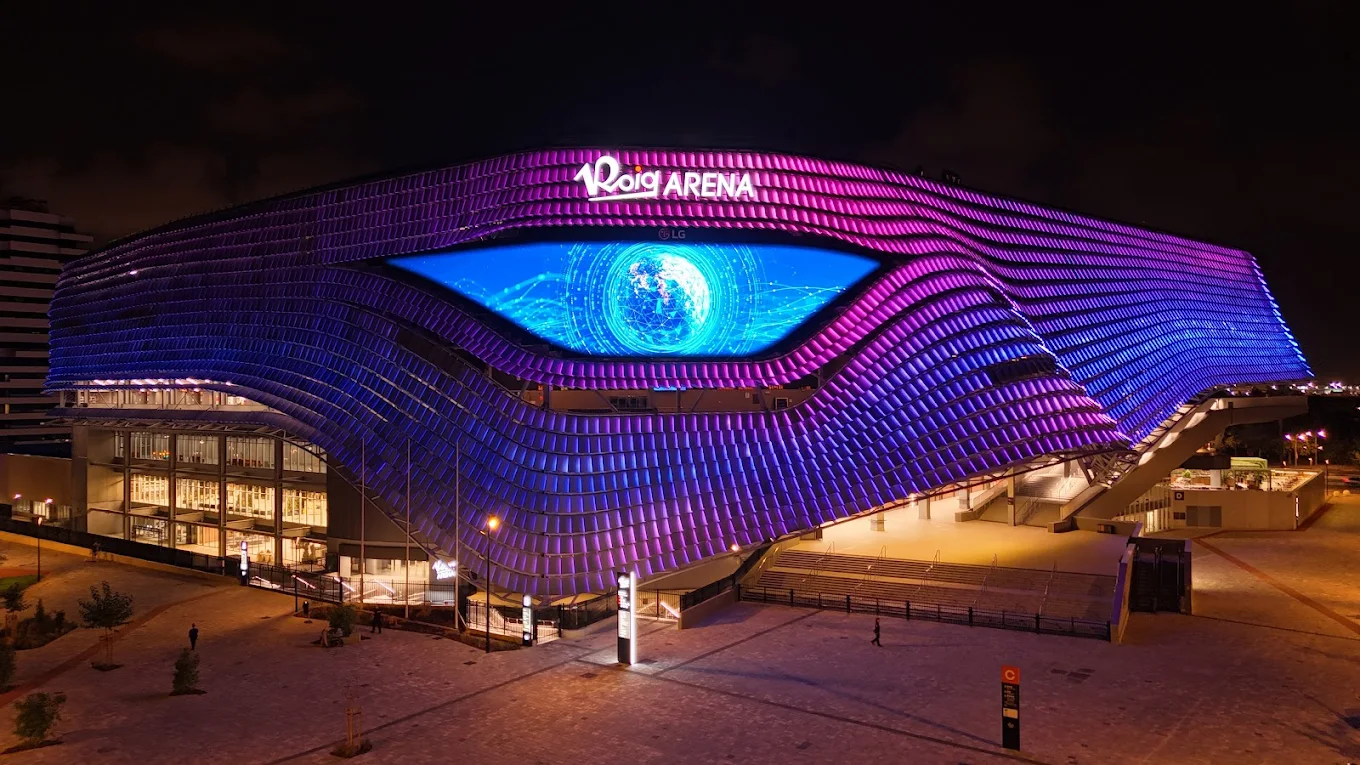
Roig Arena is a modern multifunctional venue in Valencia designed to host major sporting, cultural and entertainment events. Located near the Turia Gardens, the spectacular building combines contemporary architecture with spaces for concerts, basketball games, shows and other large events. It has become one of the newest landmarks of Valencia’s modern cityscape.

The Museum of History of Valencia
The Museum of History of Valencia, is a fascinating cultural space where visitors can discover the history of the city from its origins to the present day. Through archaeological remains, historical objects, maps and interactive displays, the museum explains how Valencia has developed over more than two thousand years. It is an excellent place to understand the city’s past and cultural heritage.

BUSCADORES
The Monastery of San Miguel de los Reyes
The Monastery of San Miguel de los Reyes is one of Valencia’s most impressive historic monuments. Located in the north of the city, this former monastery combines Renaissance and Baroque architectural elements and has a long and fascinating history. Today, it houses the Valencian Library and offers visitors the opportunity to discover an important part of Valencia’s cultural and historical heritage.
Plaza Redonda
Plaza Redonda is one of the most charming and unusual squares in the historic centre of Valencia. Surrounded by colourful traditional buildings, small shops, cafés and craft stalls, this circular plaza offers visitors a unique atmosphere in the heart of the city. It is a great place to stop, explore local products and enjoy the traditional character of Valencia.
The Asilo del Marqués de Campo
The Asilo del Marqués de Campo is a historic building in Valencia that reflects the city’s architectural and social heritage. Built in the late 19th century, it was originally created as a charitable institution for children and later became an important example of Valencia’s historic architecture. Its elegant design and historical significance make it an interesting place to discover while exploring the city’s old town.
El Almudín
El Almudín is one of Valencia’s oldest historic buildings and an important example of the city’s medieval heritage. Originally built as a grain storage and trading centre, it later became a cultural and exhibition space. Its impressive interior, historic arches and colourful wall paintings make it an interesting place to visit in Valencia’s old town.
La Rambleta
La Rambleta is a modern cultural centre and one of Valencia’s main spaces for contemporary arts and entertainment. Located in the Sant Marcel·lí neighbourhood, it offers a varied programme including theatre, music, dance, comedy, cinema, exhibitions and family activities. Its modern facilities and diverse cultural programme make it an interesting place to discover Valencia’s contemporary creative scene.
Teatre El Musical
Teatre El Musical (TEM) is a cultural and performing arts centre located in the Cabanyal-Canyamelar neighbourhood of Valencia. It offers a varied programme of theatre, music, dance, comedy, circus, exhibitions and family shows. Its contemporary cultural programme and historic setting make it an interesting place to experience Valencia’s artistic and neighbourhood life.
Teatro Talia
Teatro Talia is a historic theatre located in the heart of Valencia’s old town. Opened in 1928, it has a long tradition of hosting cultural and performing arts events. Today, its programme includes theatre, comedy, music, flamenco, magic and family shows, making it a great place to enjoy live entertainment in a traditional and intimate atmosphere.
La Marina de València
La Marina de València is one of the most popular areas of the city, located next to the Mediterranean Sea. It is a lively waterfront space where visitors can enjoy restaurants, cafés, sports, cultural activities and beautiful views of the harbour. It is an ideal place to walk, relax and enjoy Valencia’s seaside atmosphere.
Roig Arena
Roig Arena is a modern multifunctional venue in Valencia designed to host major sporting, cultural and entertainment events. Located near the Turia Gardens, the spectacular building combines contemporary architecture with spaces for concerts, basketball games, shows and other large events. It has become one of the newest landmarks of Valencia’s modern cityscape.
The Museum of History of Valencia
The Museum of History of Valencia, is a fascinating cultural space where visitors can discover the history of the city from its origins to the present day. Through archaeological remains, historical objects, maps and interactive displays, the museum explains how Valencia has developed over more than two thousand years. It is an excellent place to understand the city’s past and cultural heritage.